Press Release
•November 20, 2024
DA-BSWM Turns Over Composters and Biomass Shredders to CTU-Barili and Barangay Kalubihan
The Department of Agriculture - Bureau of Soils and Water Management turned over rotary composters and biomass shredders to Cebu Technological University - Barili Campus and Barangay Kalubihan to support sustainable waste management and compost production.
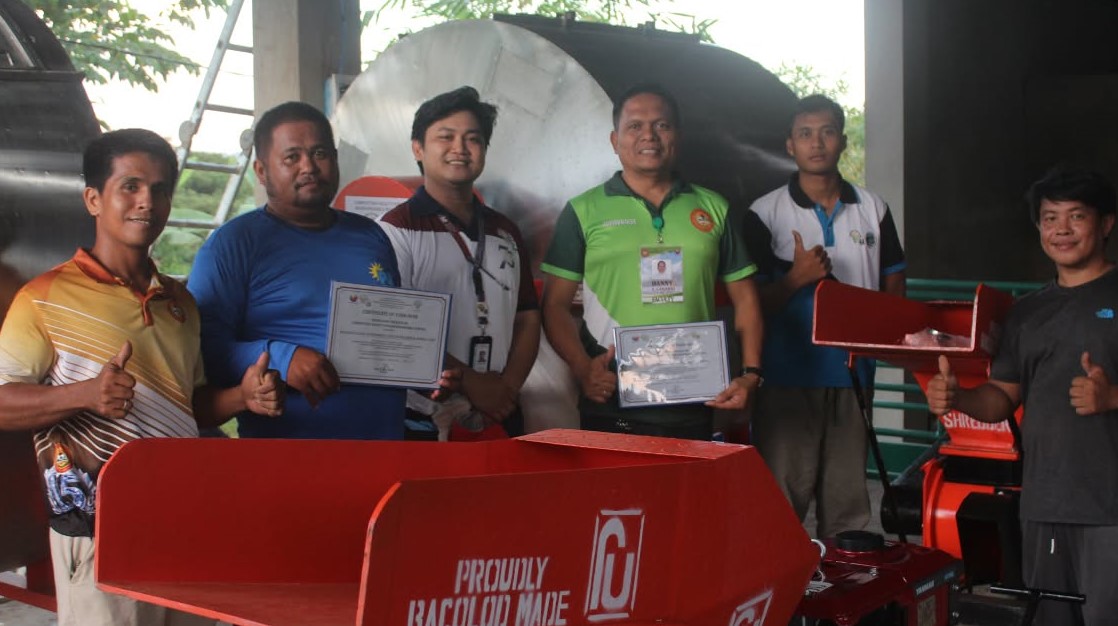
On November 20, 2024, the Department of Agriculture - Bureau of Soils and Water Management (DA-BSWM) facilitated the inspection, turnover, and signing of a Memorandum of Agreement for two rotary composters and two biomass shredders in Barili, Cebu.
The equipment turnover formed part of DA-BSWM's efforts to promote sustainable agriculture through improved waste management and microbial compost production. The equipment was intended to support the recovery and processing of organic materials for agricultural use.
Mc Reith C. Rodriquez, Project Assistant under the Compost Production Implementation Team of the DA-BSWM Central Office, conducted the inspection of the equipment. The formal turnover was facilitated by DA-BSWM Central Visayas in collaboration with the Local Government Unit of Barili.
Cebu Technological University - Barili Campus received its equipment under the DA-BSWM High-Value Crops Development Program, while Barangay Kalubihan received its units under the National Rice Program. Dr. Danny E. Carabio, Director of Resource Generation at CTU-Barili Campus, formally received the university's equipment. Barangay Kalubihan was represented by Punong Barangay Hon. Rebecca S. Barbac.
The Memorandum of Agreement was subsequently signed by Dr. Carabio and Hon. Barbac as representatives of CTU-Barili Campus and Barangay Kalubihan, respectively. Peter John C. Enorio, President of Subang, signed as a witness, reflecting Subang's support for the Resource Generation Office and the university's sustainability-related initiatives.
The equipment provides additional infrastructure for organic waste recovery, biomass processing, and microbial compost production. Its deployment creates opportunities for stronger connections between waste management, agricultural production, and circular resource use within the campus and surrounding community.
Keep exploring
More from this area of work.
Project Story · January 31, 2026
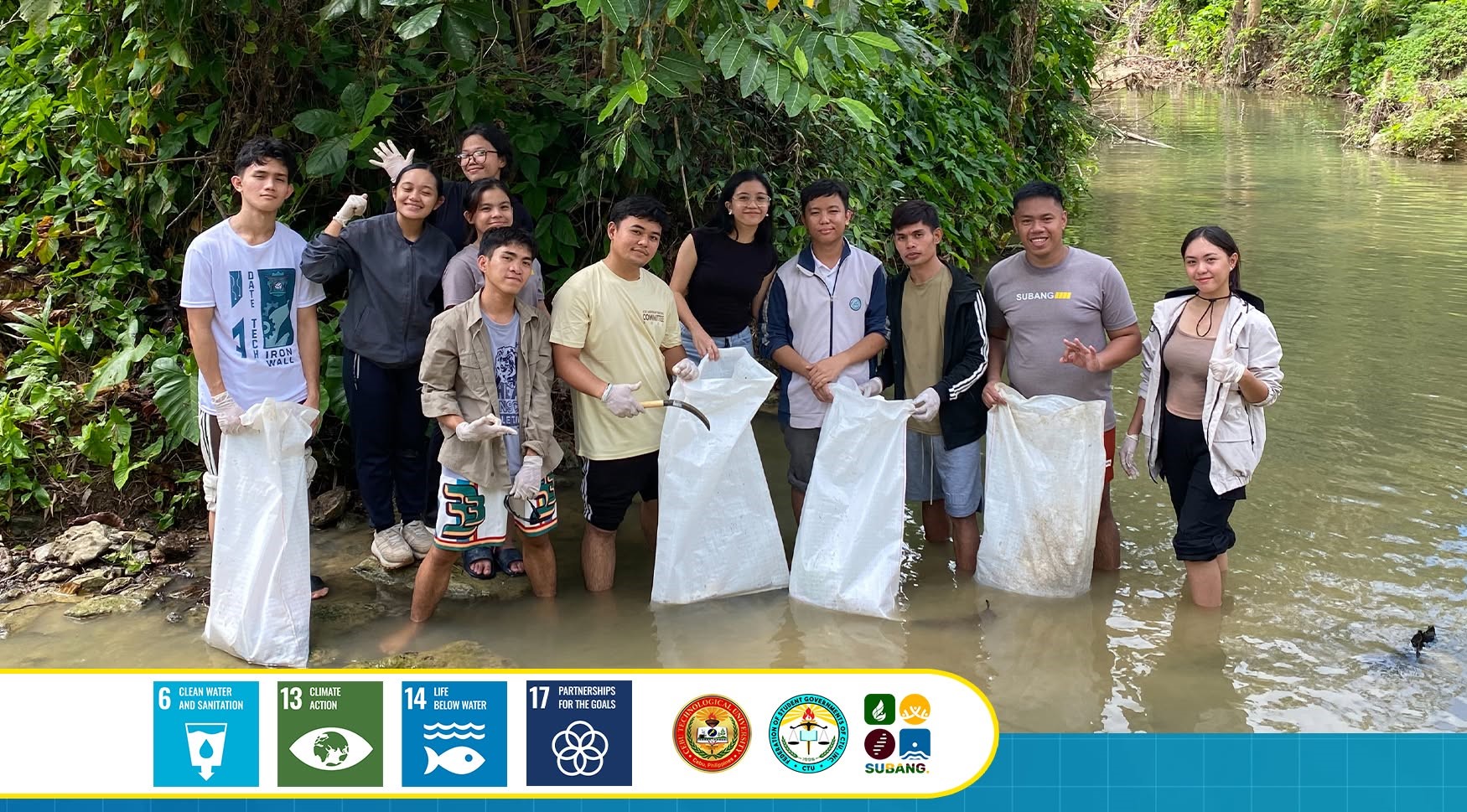
FSG Officers and Subang - CTU Volunteers Join River Cleanup at CTU-Barili
FSG-CTU officers and Subang - CTU volunteers worked together in a river cleanup activity at CTU-Barili, promoting environmental responsibility and youth participation.
Read story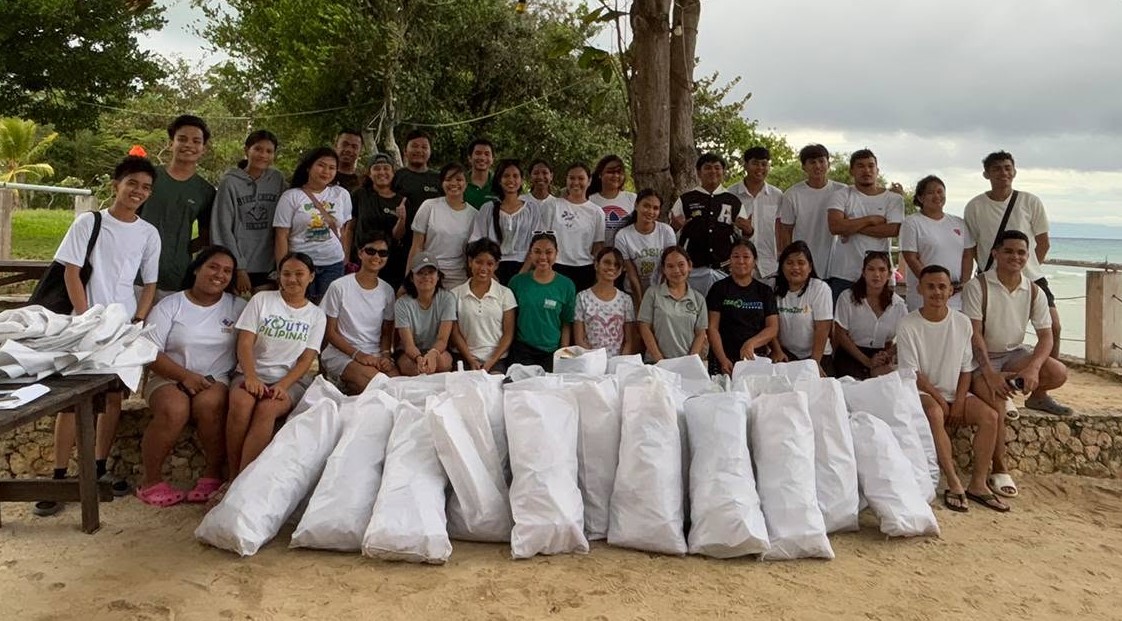
Project Story · December 27, 2024
Subang Supports Coastal Cleanup and Waste Assessment in Siquijor
Subang leaders and volunteers joined Zero Waste Youth Siquijor and Mother Earth Foundation Philippines for a coastal cleanup, waste assessment, and brand audit in Caticugan, Siquijor.
Read story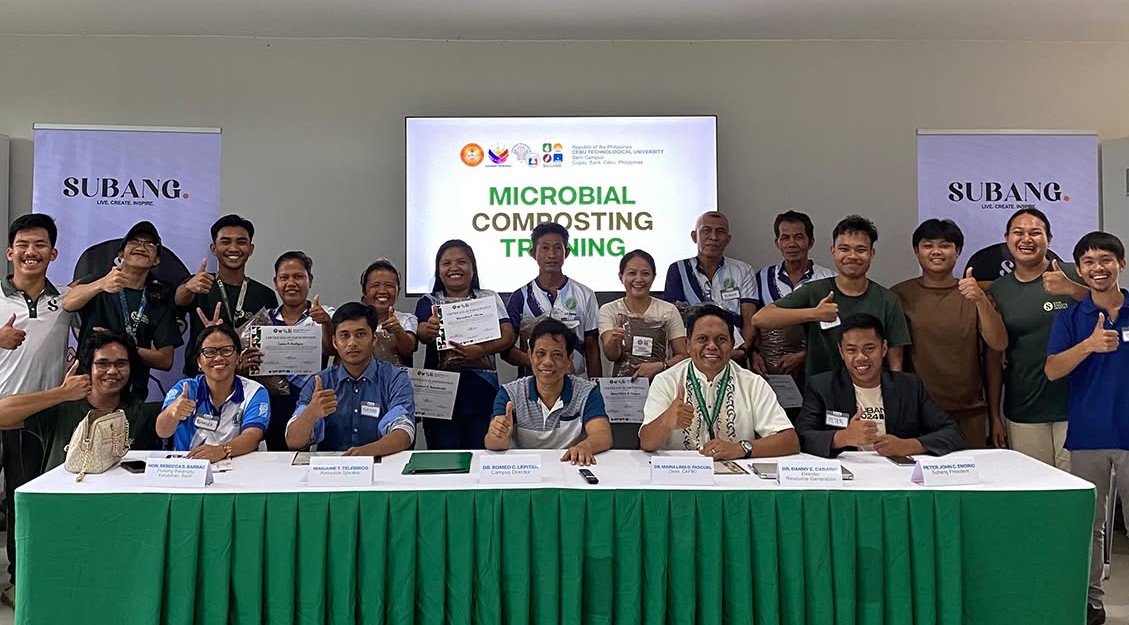
Project Story · Dec 16, 2024
Advancing Community Composting Through Training and Partnership
CTU-Barili, Barangay Kalubihan, and Subang volunteers strengthened community composting through technical training and a formal partnership.
Read story